PO Box 5, Weare, NH 03281
lakehorace@gmail.com
Life at the Lake
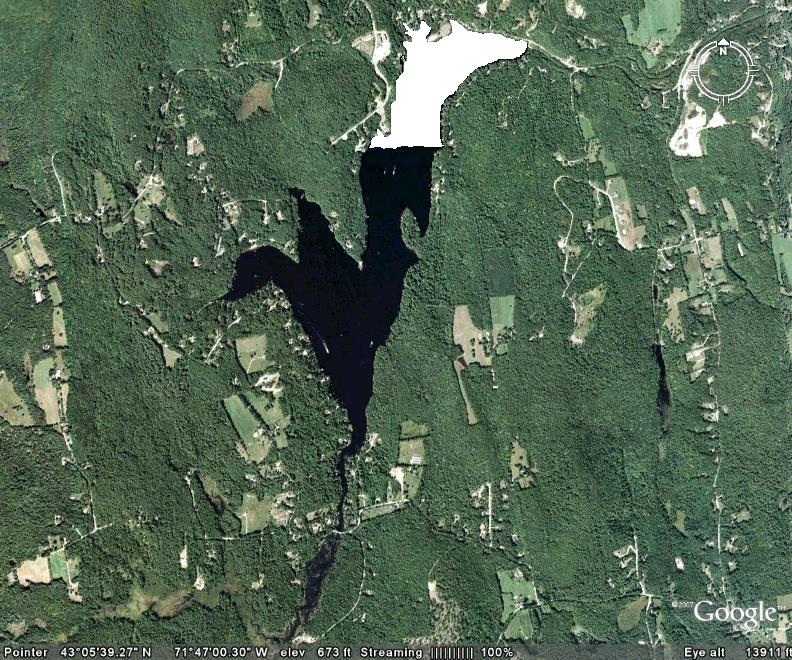
Google Map of Lake Horace
DID YOU KNOW?
Weare Reservoir AKA Horace Lake is formed by Weare Reservoir on the Piscataquog River. Construction was completed in 1913 with a surface area of 323 acres.
Support your lake and become a member TODAY!
Chase Park
The Parks and Recreation Commission manages and oversees maintenance of the Town's recreation and park facilities, including Chase Park.
Chase Park Frequenty Asked Questions
See home page for updated hours
All hours are weather permitting and subject to change per PARC Outdoor Recreation
Reservoir Drive, Weare, NH 03281
603-529-1866
Swimming
Kayaking
Fishing
- Fishing liscenses can be purchased at Colburns Store Rt. 77
Boating
- NH Marine Patrol 293-2037
Boat safe! Visit the website to learn more.
- To prevent collisions, every operator should follow the three basic rules of navigation.
- Practice good seamanship.
- Keep a sharp lookout.
- Maintain a safe speed and distance.
Geocaching
- Want some FREE outdoor treasure hunting fun? Grab your GPS and visit the website to learn more.
Blue/Green Algea
Algea is part of every lake community at some point. Click to learn more.
Horace Lake Station
It's height is 34 feet with a length of 340 feet. Max discharge is 12360 cubic feet per second. Normal capacity is 6300 acre feet.
Wildlife
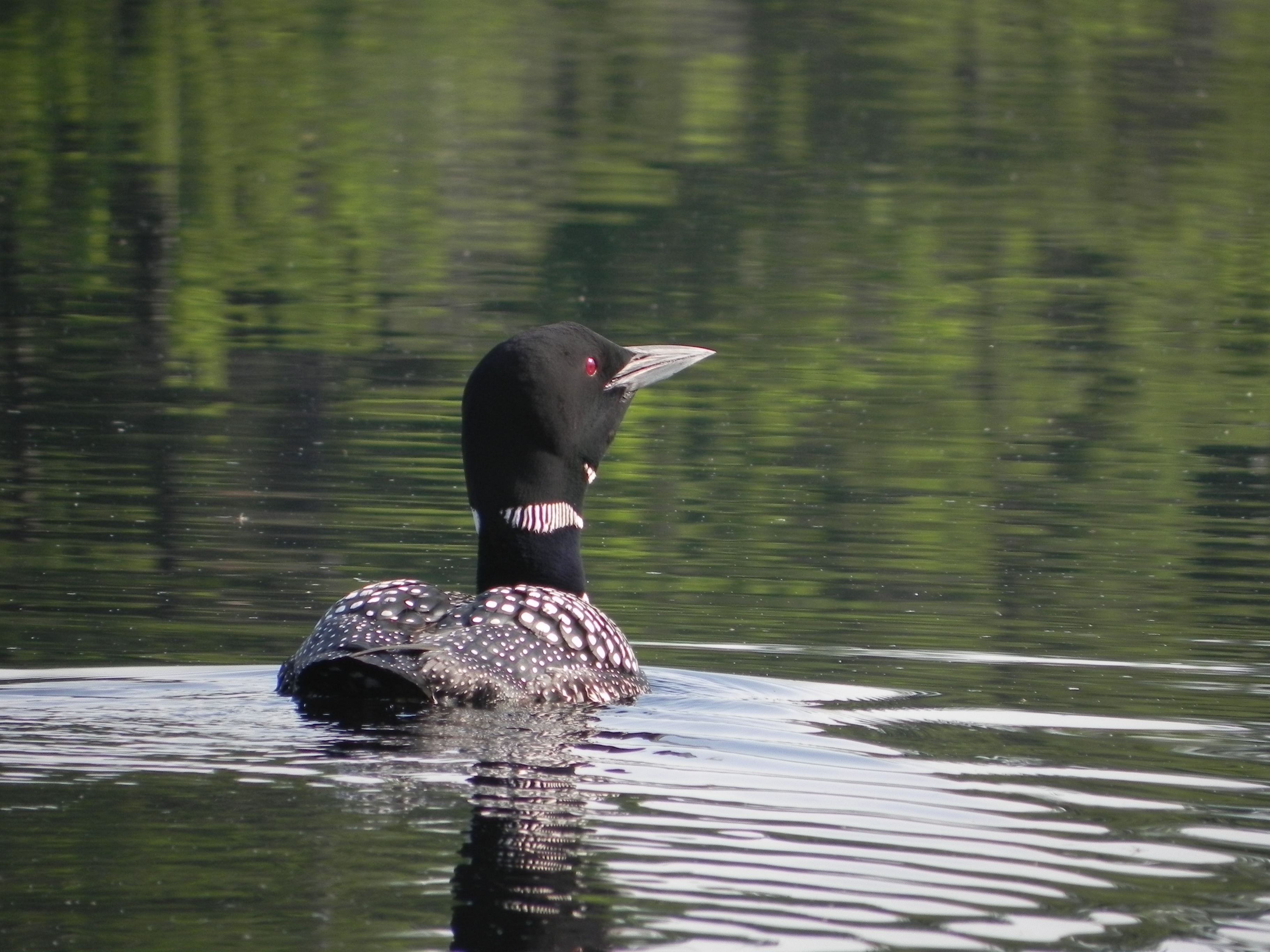
Lake Horace Loons Larry and Lulu
More information about our Loons can be found at loon.org.
Until recently, loons were thought to mate for life. However, banding loons to allow the identification of individuals has shown that loons will sometimes switch mates after a failed nesting attempt, sometimes even in the same breeding season. Courtship and mating are a quiet time, with the pair swimming and making short dives together. Eventually, the male leads the female to a suitable spot on land to mate. Nest building then begins.
Loons build their nests close to the water, often on a small island, muskrat house, half-submerged log, or sedge mat. The same sites are often used from year to year. Loons will use mud, grass, moss, pine needles and/or clumps of mud and vegetation collected from the lake bottom to build a nest. Both the male and female help with nest building.
Bryozoan
Did you know that Lake Horace is a home to Bryozoans. I bet you are asking yourself, what the heck is a bryozoan?
Bryozoans; an aquatic invertebrate, an animal with no backbone, which is sometimes called a “moss animal.” They are sighted frequently throughout New Hampshire, although it is difficult to predict which lakes will have bryozoans in any given year.
Bryozoans come in many different shapes and sizes. Some bryozoans are very small and wispy, while others form large gelatinous balls that can be up to two feet in diameter!
Bryozoans have existed for millions of years and many species are found as fossil.
Bryozoans live in standing and flowing water. Examples are ponds, lakes, streams, canals and rivers, but also water mains and filter units of water supplies. Bryozoans need a firm substrate, such as rocks, sticks, submerged trees, tin cans, old boots, waterplants, sunken boats and so forth.
It seems that bryozoans need fairly clean but sufficiently food rich water. Bryozoans eat by actively use their cilia (whiphairs) that cover the tentacles to create a current towards the mouth. They select small plancton, such as Green algae, Bacteria, Flagellates, and Other small one-celled animals as food.
Bryozoans are not hazardous to human health and do not indicate a pollution problem. Because. they are filter feeders, they are beneficial by helping to clean the water of the lake.
Not only are they unique, they are one of nature’s oldest animals. Click here to learn more.
If you have any additional questions about the bryozoans, please contact the NH DES at 271-3503.
12 Ways to be Lake Friendly
These suggestions from Weed Patrol, Inc are for anyone who lives along a waterway, including any lake, river, pond or stream.
1. Do not fertilize your lawn. If you must fertilize, always do the following:
Do not fertilize your lawn. If you must fertilize, always do the following:Use a product that contains no phosphorous and has slow release nitrogen. Look for fertilizer products that have no phosphate. The bag will have a “0” as the middle number on the front, i.e. 22-0-15. Your grass doesn’t need phosphorous, but algae thrives on it, and many professional lawn care companies use it. Ask for your service to use lake safe fertilizer.
Be aware that through runoff you are also fertilizing the lake or river. One pound of phosphorous may produce over 10,000 pounds of weeds and algae. Apply fertilizer when the grass is actively growing to minimize the loss of nutrients. Cease using fertilizer before the grass stops growing in the fall. Do not fertilize prior to rain. Leave a 10-foot strip of lawn unfertilized along the lakefront, more if you are on a steep slope.
2.Install a greenbelt of vegetation between your lawn or septic tank and the lake. Use plants that do not shed their foliage into the water. This greenbelt provides a buffer zone if you must fertilize, minimizes grass clippings going into the lake and also provides a screen discouraging geese from using your yard.
Install a greenbelt of vegetation between your lawn or septic tank and the lake. Use plants that do not shed their foliage into the water. This greenbelt provides a buffer zone if you must fertilize, minimizes grass clippings going into the lake and also provides a screen discouraging geese from using your yard.3.Perforate your lawn periodically. Add seed and mulch any exposed soil to prevent erosion.
Perforate your lawn periodically. Add seed and mulch any exposed soil to prevent erosion. 4.When you mow, do not let grass blow out onto the lake. Remove fallen leaves and branches near the shore. Grass and leaves will decompose in the lake and create food for weeds and algae.
When you mow, do not let grass blow out onto the lake. Remove fallen leaves and branches near the shore. Grass and leaves will decompose in the lake and create food for weeds and algae. 5.Remove aquatic weeds and other debris that wash up along the shore to prevent them from decaying in the lake.
Remove aquatic weeds and other debris that wash up along the shore to prevent them from decaying in the lake.6.Remove dog droppings, goose droppings, and/or duck droppings and deposit them in the trash or compost.
Remove dog droppings, goose droppings, and/or duck droppings and deposit them in the trash or compost.7.If you must have a fire on the shoreline, remove the ashes so that they do not wash into the lake.
If you must have a fire on the shoreline, remove the ashes so that they do not wash into the lake.8.Be careful not to let chemicals from the house or garage spill where they may run into the lake, be washed into the lake, or soak into the groundwater.
Be careful not to let chemicals from the house or garage spill where they may run into the lake, be washed into the lake, or soak into the groundwater.9.Storm sewers lead to our water system. Do not pour oil or other materials down the storm sewers. Do not hook washing machines up to storm sewers. Disconnect downspouts from storm sewers.
Storm sewers lead to our water system. Do not pour oil or other materials down the storm sewers. Do not hook washing machines up to storm sewers. Disconnect downspouts from storm sewers.10.Check around the lake for situations that are either causing erosion or fill in the lake below the high water mark. These add to the nutrient load of the lake.
Check around the lake for situations that are either causing erosion or fill in the lake below the high water mark. These add to the nutrient load of the lake.11.Do not release aquarium fish, plants or snails into the lake. The plants can survive and some species have become nuisance weeds in lakewide proportions. The fish and snails can carry disease to which our native fish have no resistance.
Do not release aquarium fish, plants or snails into the lake. The plants can survive and some species have become nuisance weeds in lakewide proportions. The fish and snails can carry disease to which our native fish have no resistance.12.Do not feed the geese or ducks. The droppings from 8 geese are equal to the droppings from 1 cow, and can cause e coli counts to rise and algae and plant growth to increase drastically.
Do not feed the geese or ducks. The droppings from 8 geese are equal to the droppings from 1 cow, and can cause e coli counts to rise and algae and plant growth to increase drastically.Burn Permits
No fire shall be kindled in the open without a permit. There is no cost associated with this permit. All rules concerning permits to kindle fire are set forth in the NH State RSA.
Permits can be issued at the Weare Safety Complex. Please contact the business line for days and times. Fire Dept. Business line 529-2352.
Lake Horace Land Owner Corporation
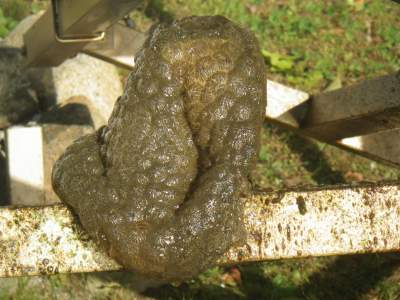
pic of Bryozoan
from Lake Horace
Hydro Dam Proposal
Ray G. is the LHLOC representative on the Hydro Dam Proposal done by KC Hydro.
2/10/13
FYI KC Hydro is now in default on their permit to develop power on our lake. The FERC has given them 30 days to comply or their permit will be rescinded.
5/22/13
They filed an update in time, so the permit to determine feasibility is still in effect. They have stated again that development of power on our lake is their lowest priority since they do not believe it is economically viable.
6/20/13
Below is the text that KC Hydro sent back to the FERC in response to the notice that they had failed to file their last report.
As you can see, they continue to have little interest in developing the project, and do not feel it is economically viable.
----------------------
P-14250 Weare Horace Lake Dam, Piscataquog River, Hillsborough County New information and conclusions: A query of the Natural Heritage Bureau’s on-line DataCheck Tool for the below area encompassing the existing Horace Lake dam site only yielded “potential impacts” due to NHB records in the vicinity of the area drawn that may be affected by this project. It is presumed that aquatic species are the species of concern and the agencies already have substantial data and standard provisions that will serve as the basis for conditions on the proposed construction and operation of hydroelectric facilities at this location
KC Hydro affirms its prior conclusion that construction of the project has no additional benefits identified and development of the potential 150 kW capacity for an average annual electric generation from this site of 600,000 kWh, estimated to be lower than all of the other above sites except Main Street Dam in Nashua, the Wambeck Dam site in Milton Mills, and the Mascoma Lake site in Lebanon, is low priority compared with the above project sites